

You might think that changing your engine oil is just a simple periodic task, but this seemingly simple task can make the difference between a healthy engine and a costly one. Many drivers don’t think about changing their oil until they hear an unusual noise from the engine or the oil light comes on; when in fact, late oil changes can gradually lead to reduced power, increased fuel consumption, and even serious engine damage.
What is a car engine oil change?
In this article from Zarrin Shimi Omid Company, we will examine in simple language when you should change your oil, what warning signs are there, and what exactly you should pay attention to when changing it so that your car engine always runs smoothly, quietly, and healthily.
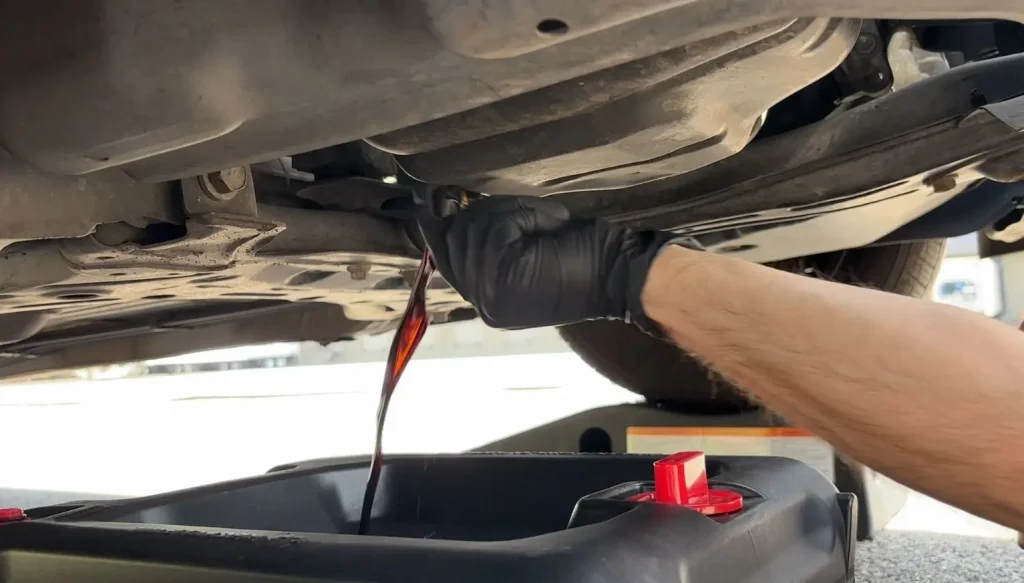
Changing engine oil is one of the most basic and simple car maintenance tasks that has a huge impact on the life and health of the engine. In this process, old and contaminated oil, which has lost its properties due to heat and heavy use, is drained from the engine and replaced with fresh, clean oil.
Motor oil is designed to lubricate the moving parts inside your engine, reduce friction, and dissipate excess heat. But over time, metal particles, dust, and fuel deposits can build up in it, causing the oil to become thick and dark, and no longer be able to protect your engine properly. If this oil is not replaced on time, it can gradually increase wear, reduce performance, and even cause serious damage to your engine.
Signs that it’s time to change engine oil
Many times, our car itself clearly tells us that “it’s time for an oil change.” We just need to know how to recognize the signs correctly.
- Oil light comes on or oil change
This is the most obvious warning. When the oil light on the dashboard comes on, it usually means that the oil pressure is low or there is not enough oil. At this point, be sure to check the oil level and if the light doesn’t go off, it’s best to take the car to a mechanic to make sure the oil pump and filter are in good condition. - Change in oil color or odor
Fresh oil is usually clear to amber in color, but it darkens and becomes cloudy over time as it absorbs contaminants. If you notice a thick black color or a burning smell when checking, the oil has lost its effectiveness and should be replaced immediately. - Reduced acceleration and engine smoothness
When oil wears out, the parts inside the engine are not properly lubricated and friction increases. The result is reduced acceleration, a heavier engine, and even increased fuel consumption. If you feel like your car isn’t pulling as well as it used to, the first thing to do is check the oil condition. - Unusual noises from the engine
A clicking, thumping, or knocking sound when starting your car is usually a sign that the oil is not reaching the parts or has lost its lubricating properties. Ignoring these sounds can lead to serious wear and tear on the parts. - Smell of burnt oil or exhaust smoke
If you smell burnt oil coming from inside the cabin or around the engine, there is a possibility that the oil is leaking onto hot parts of the engine. However, blue smoke from the exhaust is usually a sign that the car is burning oil; that is, the oil is entering the cylinder and burning with the fuel. In this case, the oil level will drop rapidly and you should take the car to a mechanic for a technical check. - Oil level drops on the gauge
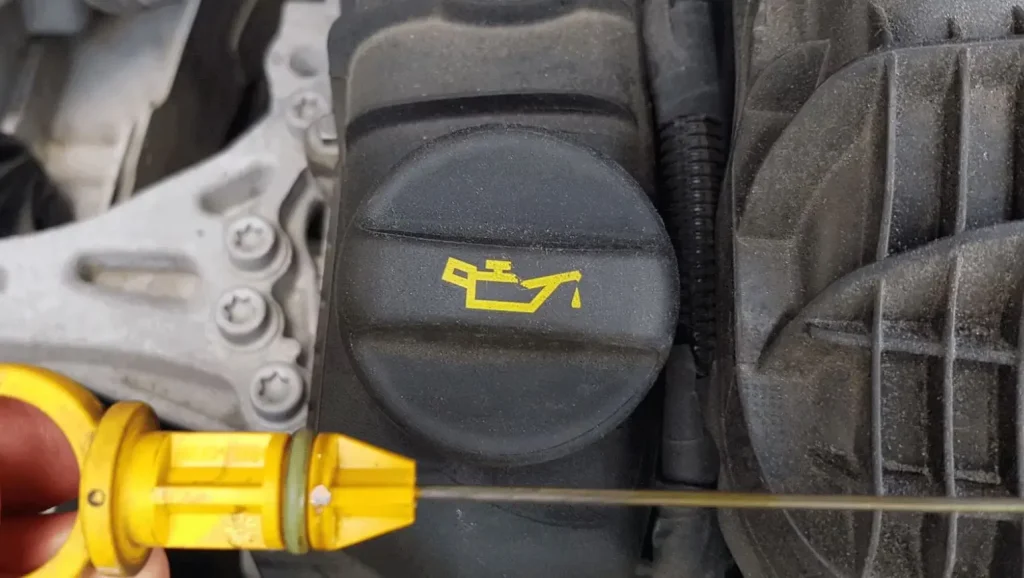
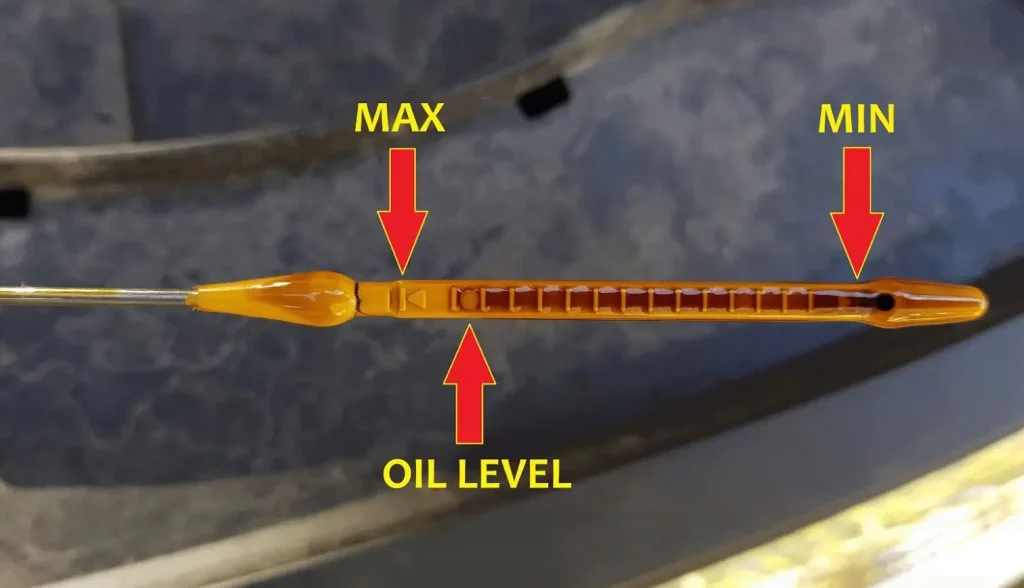
A drop in oil level below the standard mark on the dipstick indicates either that the engine is consuming too much oil or that there is a leak. In either case, delaying attention can cause serious damage to the engine.
The right time to change engine oil and the factors that affect it
The interval between engine oil changes is not fixed and depends on various factors. The most important of them are:
- Car engine type
More powerful, turbocharged engines with more cylinders tend to consume more oil and need to be changed sooner. The technology used in the engine and the type of fuel also affect the timing of the change. - Year of manufacture and mileage of the vehicle
Older or high-performance cars use up oil faster than newer models and need to be replaced sooner. - Type of engine oil
The quality and specifications of the engine oil (viscosity, summer or winter, manufacturing standards) play an important role in determining when to change it. Using the wrong oil instead of the best engine oil for your car will cause your engine to wear out faster and reduce its efficiency. - Driving conditions
Driving in heavy traffic, at high speeds, working for long periods of time, carrying heavy loads, or making short, frequent trips will wear out the oil faster. - Environmental conditions
Driving in wet, dusty environments or on rough roads increases oil consumption and shortens oil change intervals. - Fuel quality and type
Low-quality fuel causes more oil consumption; high-octane fuel helps the oil perform better. - Replacing oil and air filters
Oil and air filters are important in maintaining engine oil efficiency. Forgetting to change them will increase oil consumption and shorten engine life.
Note: It is generally recommended to change engine oil every 5,000 to 10,000 km or every 3,000 to 6,000 months (whichever comes first). This interval may be shorter or longer depending on the type of engine, oil, and driving conditions, so always check the oil condition and engine indicators.
Important tips for properly changing engine oil
Changing engine oil isn’t just about draining and refilling; paying attention to a few simple steps can make a big difference in engine health:
- Warm the engine slightly, not hot. Draining the oil while it is still warm will allow for more complete removal of oil and dirt particles.
- Remove the oil filler cap before unscrewing the drain plug. This will allow the oil to flow faster and more completely.
- Remove the old oil filter gasket. Leaving it on can cause leaks and engine damage.
- Fill the new filter with a small amount of fresh oil and grease the ring before installing it. This will prevent the engine from starting dry.
- Do not overtighten the drain plug and filter. Excessive pressure can damage the threads and gasket.
- Use high-quality oil and filters that meet the manufacturer’s standards. Poor-quality oil, even if changed frequently, will not protect the engine.
Final word
Changing your engine oil on time is the simplest but most important step that can extend the life of your engine, reduce fuel consumption, and prevent costly repairs. Paying attention to warning signs, using the best engine oil for your vehicle, and following the oil change guidelines play a crucial role in your vehicle’s health.
In the meantime, choosing a safe and high-quality oil is very important.
By fully complying with national and international standards, Zarrin Shimi Omid Company has achieved significant successes in the field of lubricant production in a short period of time and, by being present in export markets, has established its position as one of the leading manufacturers in the lubricant industry.
No comments yet.